
Ball of foot pain — the medical name is metatarsalgia — is aching, burning, or sharp pain under the front of your foot, right where the toes meet the sole. It often feels like walking on a pebble or a bunched-up sock, and it tends to flare with standing, walking, or running and ease with rest. Most of the time it’s a mechanical problem — shoes, overload, or the shape of your foot — and it settles with the right changes. But a stubborn, burning ball-of-foot pain can point to a specific cause worth pinning down. Here’s what drives it and how to calm it.
Metatarsalgia is pain and inflammation in the ball of the foot, centered under the metatarsal heads — the ends of the five long bones at the base of your toes. It’s best thought of as a symptom rather than a single disease: several different problems can overload or irritate that area and produce the same ache. That’s why getting to the specific cause matters for treating it well.
Metatarsalgia usually causes an aching, burning, or sharp pain under the ball of the foot that’s worse when you’re on your feet and better when you rest. Many people describe the sensation as a pebble stuck in the shoe, and some notice numbness or tingling that spreads into the toes. Pain that burns and doesn’t ease when you switch shoes is a useful signal that something more specific — and if the heat is spread across the sole rather than the ball, see burning across the whole foot — like a nerve or joint problem — may be involved.
Most ball-of-foot pain eases with better shoes, rest, and a metatarsal pad within a few weeks. When it doesn’t, the cause is often a specific structure — a nerve (Morton’s neuroma), a joint capsule, or a small bursa — that needs its own treatment.
For chronic ball-of-foot pain that hasn’t responded to footwear changes, padding, and rest, our non-surgical 3-Month Regenerative Therapy Program — PRP, ozone, and hyperbaric oxygen — targets persistent forefoot problems like neuroma and joint-capsule pain. Whether it’s a fit depends on an in-person evaluation.
For most everyday, overload-related ball-of-foot pain, simple changes do the heavy lifting:
Because so many things funnel into the same ball-of-foot ache, a proper diagnosis is what points you to the treatment that actually helps. Learn more about our metatarsalgia treatment in Long Beach, or if your pain sits more in the big-toe joint, see why the big toe joint hurts. You can also call (562) 426-2551 or read Cleveland Clinic’s overview of metatarsalgia.
The most common causes are mechanical — high heels or narrow shoes, high-impact activity, foot shape (high arch, long second toe, bunion, hammertoe), and extra weight — but a specific condition like Morton’s neuroma, sesamoiditis, or a stress fracture can also be behind it. Pain that burns or won’t settle should be evaluated to find which one it is.
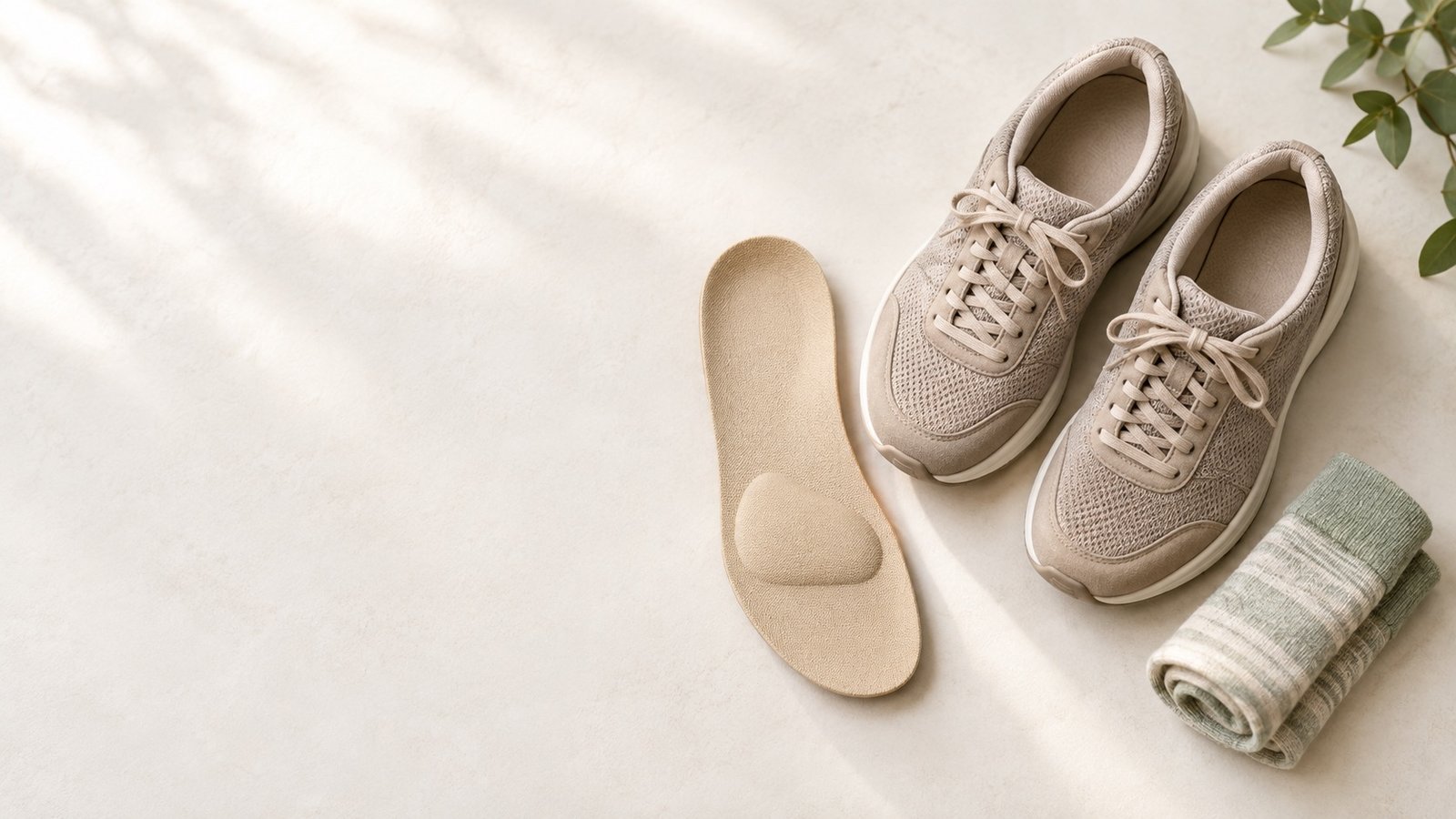
Start with supportive shoes (wide toe box, low heel, cushioning), rest and ice after activity, and a metatarsal pad to offload the sore area — most overload-related cases ease within a few weeks. If burning pain persists despite those changes, have it evaluated, because a nerve or joint cause needs different treatment.
That “pebble in the shoe” feeling is a classic sign of metatarsalgia and can point to a nerve problem such as a Morton’s neuroma, especially with numbness or tingling in the toes. Try roomier, cushioned shoes first, and if the sensation keeps up, get it checked rather than ignoring it.
Most ball-of-foot pain is mechanical and settles with footwear changes and rest, so it usually isn’t serious — but sudden or severe pain, trouble bearing weight, or pain that won’t improve can mean a stress fracture or nerve problem. If you have diabetes or poor circulation, have any foot pain looked at in person.
See one if the pain lasts more than a few days, keeps returning despite better shoes and less activity, or comes with numbness, tingling, or a burning feeling. Sudden pain or trouble putting weight on the foot should be checked promptly to rule out a fracture.