

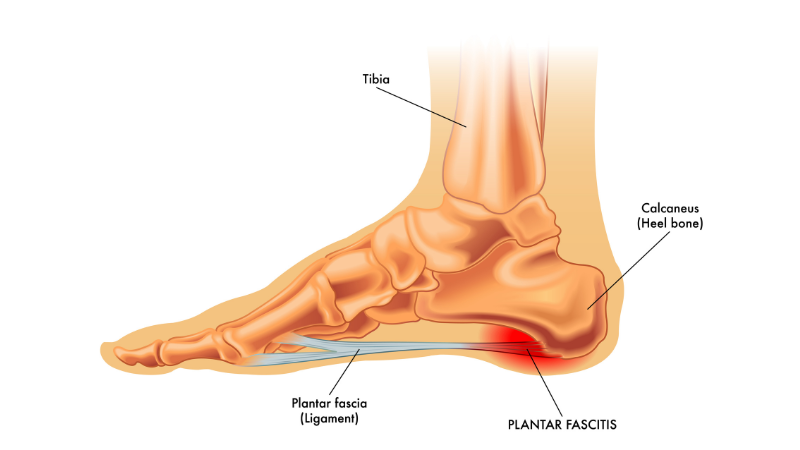
Heel pain is one of the most common reasons people visit a foot specialist. For many, it starts as bottom heel pain when taking the first steps in the morning and is diagnosed as plantar fasciitis. Patients are often told it will resolve with time, stretching, or orthotics.
But when the pain lingers for months—or even years—many begin to ask an important question:
The short answer is yes—but only when the real cause of chronic plantar fasciitis is addressed.
Click here to find out how people are eliminating pain naturally
Most foot specialists begin with traditional treatments, including:
These methods can be effective in the early stages of plantar fasciitis, when inflammation is the primary issue. However, many patients find that relief is temporary, and the heel pain keeps coming back.
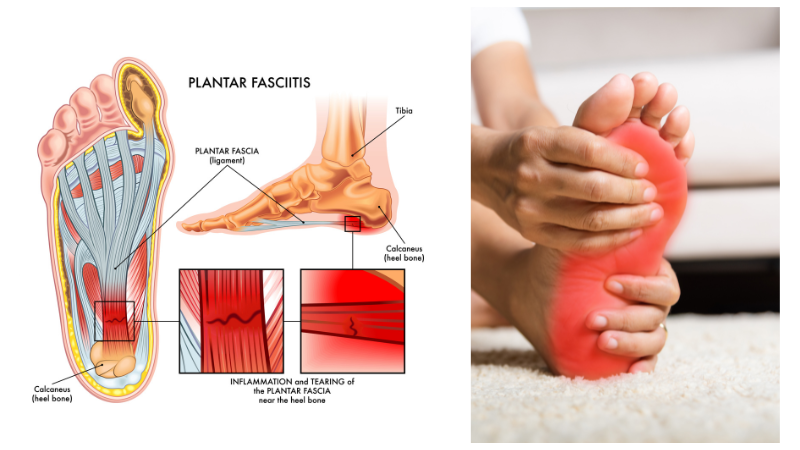
When heel pain persists, plantar fasciitis often progresses into plantar fasciosis. This is no longer an inflammatory condition. Instead, it becomes a degenerative problem, characterized by scar tissue, reduced blood flow, weakened collagen, and even non-viable or “dead” tissue within the plantar fascia.
This is the hidden reason plantar fasciitis becomes chronic—and why anti-inflammatory treatments frequently fail.
Many patients ask, What is the plantar fasciitis cure? Cortisone injections are often assumed to be the answer, but cortisone does not cure plantar fasciitis. It temporarily reduces pain by suppressing inflammation, but it also:
Cortisone clears tissue but does not regenerate it, which is why heel pain often returns—sometimes worse than before.
So, what is the fastest way to cure plantar fasciitis, especially when it has become chronic? The answer lies in regeneration, not suppression.
When plantar fasciitis has progressed to plantar fasciosis, healing requires restoring blood flow, rebuilding collagen, and regenerating damaged tissue. This is the foundation of the 3 Months Regenerative Therapy Program and 9 Secrets Membership Program.
This comprehensive, non-surgical approach focuses on true healing through:
Regeneration works best when the body is prepared to heal. That’s why this approach also includes:
These therapies significantly enhance the body’s ability to repair itself before and during regenerative injections.

Here to see the regenerative system helping patients heal when others fail.
Yes. When the root cause of chronic heel pain is addressed, plantar fasciitis—and even plantar fasciosis—can be reversed. By combining regenerative injections, oxygen therapy, nutrient support, biomechanics, and lifestyle optimization, this approach has achieved up to a 90% success rate without surgery.
If your heel pain has not improved with orthotics, stretching, physical therapy, or cortisone injections, the problem may no longer be inflammation. True healing begins when regeneration replaces suppression—and that is when plantar fasciitis becomes truly curable. Other heel-pain topics include how hard floors aggravate heel pain and Achilles tendonitis. For medically reviewed information, see the ACFAS guide to plantar fasciitis, or consult our Long Beach podiatrists.
If plantar fasciitis is disrupting your day, our Long Beach team can evaluate it in one visit — see our heel pain treatment in Long Beach page for how we approach diagnosis and care.