

Chronic ankle instability is one of the most common yet misunderstood conditions affecting the ankle, as seen by foot and ankle specialists. It often develops after repeated ankle sprains that never fully heal, leaving the ankle weak, unstable, and prone to re-injury. Many patients describe the sensation as their ankle “giving out,” especially on uneven ground or during activity. If your ankle keeps giving way, our ankle pain treatment in Long Beach page explains how we diagnose and rebuild ankle stability.
At the root of this condition is usually a torn or stretched ankle ligament, most commonly on the outer (lateral) side of the ankle. When these ligaments fail to regain their original strength and tension, the ankle loses its natural support system.
Most foot specialists initiate treatment for chronic ankle instability using conventional, evidence-based approaches designed to manage symptoms and enhance function.
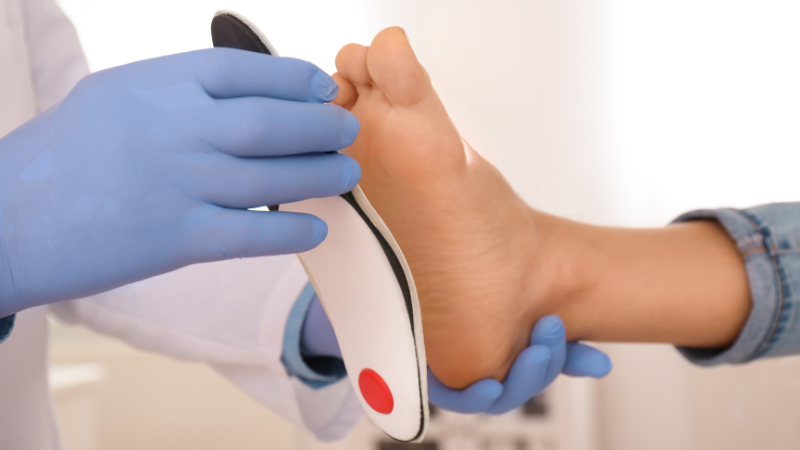
Orthotics help stabilize abnormal foot mechanics that place excessive stress on the ankle. By improving alignment, orthotics reduce repetitive strain on a torn ankle ligament and help prevent further injury.
PT focuses on strengthening the muscles surrounding the ankle, improving balance, and retraining proprioception (the body’s sense of joint position). While helpful, PT often cannot fully repair a stretched ankle ligament once laxity has been established.
Targeted stretching of tight calf muscles and strengthening of the peroneal muscles are commonly prescribed to support ankle stability and reduce recurrent sprains.
Conventional injections, such as cortisone, may temporarily reduce inflammation and pain. However, they do not repair ligament damage and may weaken tissue over time when used repeatedly.
When conservative care fails, surgery is often recommended to tighten or reconstruct the damaged ligaments. While surgery can be effective, it involves downtime, risks, and a lengthy recovery.
Many patients with chronic ankle instability find that despite orthotics, PT, stretching, injections, or even surgery consultations, their ankle remains unstable. This is because conventional treatments often manage symptoms but do not fully address ligament degeneration caused by a torn ankle ligament or a chronically stretched-out ankle ligament.
This is where a regenerative, root-cause approach becomes critical.

Click here to discover a natural approach most treatments miss
When traditional methods are unsuccessful, our proprietary 3 Months Regenerative Therapy Program with the 9 Secrets Membership Program offers a powerful, non-surgical solution — with up to a 90% success rate without surgery.
A cornerstone of this program is Prolotherapy, a ligament-tightening and regenerating injection therapy specifically designed for unstable joints. Prolotherapy works by stimulating the body’s natural healing response at the ligament-bone junction, encouraging new collagen formation. Over time, this process tightens and strengthens stretched-out ankle ligaments, restoring mechanical stability to the ankle rather than simply masking pain.
Prolotherapy is often combined with other regenerative therapies to address:
Together, these therapies help rebuild the ankle’s natural support system and reduce the risk of future sprains — without surgery.

True healing doesn’t stop in the treatment room. The 9 Secrets Membership Program supports long-term recovery by improving nutrition, reducing inflammation, enhancing circulation, managing stress, and optimizing sleep — all critical factors for ligament regeneration and joint stability.
Here to see the regenerative system helping patients heal when others fail.
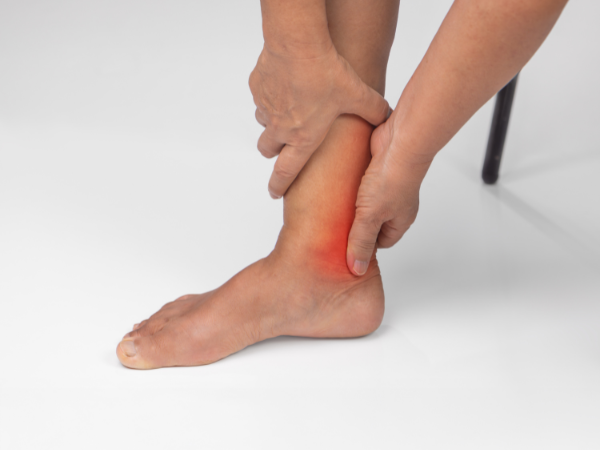
If you’re struggling with repeated ankle sprains, instability, or lingering pain from a torn ankle ligament or stretched-out ankle ligament, you don’t have to accept surgery as your only option. While conventional treatments are often the first step, regenerative care — including Prolotherapy for chronic ankle instability — may be the missing link that finally restores strength, stability, and confidence to your ankle.
Ongoing instability may benefit from a structured plan such as our 3-Month Regenerative Therapy Program. For medically reviewed background, see the ACFAS guide to chronic ankle instability, or consult our Long Beach podiatrists.