
Coconut oil contains natural compounds — including lauric acid and caprylic acid — that have shown antifungal activity in laboratory studies. That’s why coconut oil for toenail fungus is one of the most popular gentle home options people reach for when dealing with fungal toenails. It’s inexpensive, soothing to the skin, and easy to try — but it’s important to be realistic about what it can and can’t do.
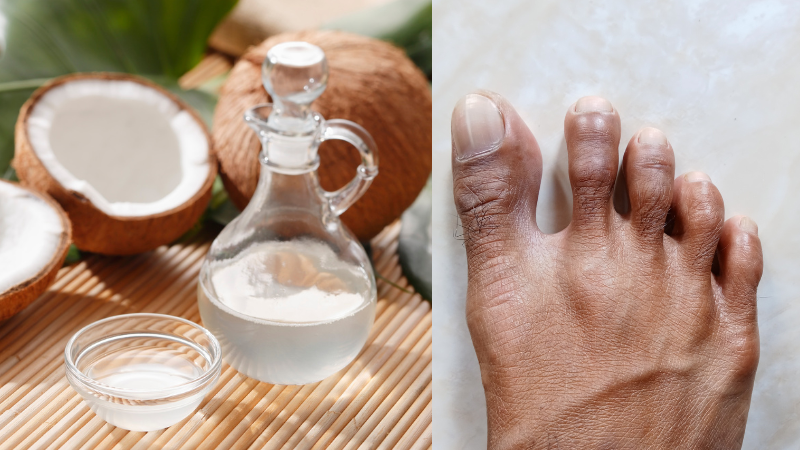
Here’s the honest picture. The fatty acids in coconut oil — especially lauric acid — can disrupt the membranes of some fungi in lab settings, and coconut oil is a good moisturizer that supports healthy skin around the nail. But a toenail is a tough, dense barrier, and an established nail-fungus infection (onychomycosis) lives under the nail where topical oils struggle to reach. So coconut oil may help with mild, early, or surface cases and with the surrounding skin, but it isn’t a guaranteed cure for a stubborn nail infection. Think of it as a supportive, low-risk option — not a replacement for real treatment when one is needed.
No single home remedy clears a stubborn nail infection on its own. Give coconut oil the best chance by pairing it with good foot habits:
If a nail is thick, crumbling, painful, spreading, or simply not improving after weeks of consistent home care, it’s time for professional help. For stubborn cases, our Long Beach podiatrists offer a structured 6-Month Fungal Toenail Transformation Program, and our toenail fungus treatment in Long Beach page explains how we handle tough infections. And if you have diabetes, poor circulation, or reduced feeling in your feet, skip the trial-and-error and have it looked at sooner. The American College of Foot and Ankle Surgeons has more on nail fungus if you’d like the clinical background.
A thick, discolored, or loosening toenail isn’t always fungus — many abnormal-looking nails turn out to be an injury, psoriasis, or another condition. The first step is an exam, often with a nail culture, to find out what’s going on. If it is fungal, our 6-Month Fungal Toenail Program builds on that testing with a structured plan that can include prescription antifungal options, in-office nail care, and prevention steps. Whether it fits you depends on your exam. You can also read about toenail fungus treatment in Long Beach.
Not reliably on its own. Lauric acid in coconut oil has antifungal activity in lab studies, but a toenail infection lives under a dense nail where topical oils struggle to reach. Coconut oil may help mild or surface cases and the surrounding skin, but it isn’t a proven cure for a stubborn nail infection.
Because nails grow slowly, give any home remedy months, not days, and apply it consistently twice daily. If there’s no improvement over that time, see a podiatrist.
There’s no good evidence that eating coconut oil treats nail fungus, and this article is only about topical use. Talk to a healthcare provider before using any supplement for a medical purpose.
If the nail is thick, painful, discolored, or spreading, or isn’t improving after consistent home care — and sooner if you have diabetes or poor circulation, when foot problems need closer attention.
Be educated, get empowered, and encourage others today!